

Cryptocurrency mining has been one of the most discussed topics in the blockchain industry for over a decade. With the rising popularity of Bitcoin, Ethereum, and other altcoins, mining became a highly lucrative business for early adopters. However, as we step into 2025, the question remains: Is cryptocurrency mining still profitable in today’s competitive and regulated environment?
One of the biggest factors impacting profitability is the cost of electricity. Mining requires massive computational power, and energy costs can significantly reduce profits. In countries where electricity is cheap and renewable energy sources are available, mining operations continue to thrive. But in regions with high energy prices, many miners are shifting to more sustainable models.
Another key consideration is mining hardware. The days of mining Bitcoin with simple GPUs are long gone. In 2025, advanced ASIC (Application-Specific Integrated Circuit) miners dominate the market. These machines are faster, more efficient, and designed specifically for mining, but they also require substantial upfront investment. Choosing the right hardware is critical for profitability.
Cryptocurrency regulations also play a huge role in determining mining success. Governments around the world are tightening laws around crypto, with some countries banning mining altogether due to environmental concerns. On the other hand, nations like El Salvador and Kazakhstan are welcoming miners, offering tax benefits and renewable energy partnerships.
Ethereum’s shift from Proof of Work (PoW) to Proof of Stake (PoS) in 2022 reshaped the mining industry. In 2025, many altcoins are adopting PoS models, which reduce energy consumption but also limit mining opportunities. This means Bitcoin remains the primary target for large-scale mining operations, while smaller coins are exploring eco-friendly alternatives.
The profitability of mining also depends on cryptocurrency prices. In 2025, Bitcoin continues to dominate the market, with values fluctuating based on global demand, institutional investment, and economic conditions. When Bitcoin prices rise, mining becomes more profitable, but during bearish trends, miners often struggle to break even.
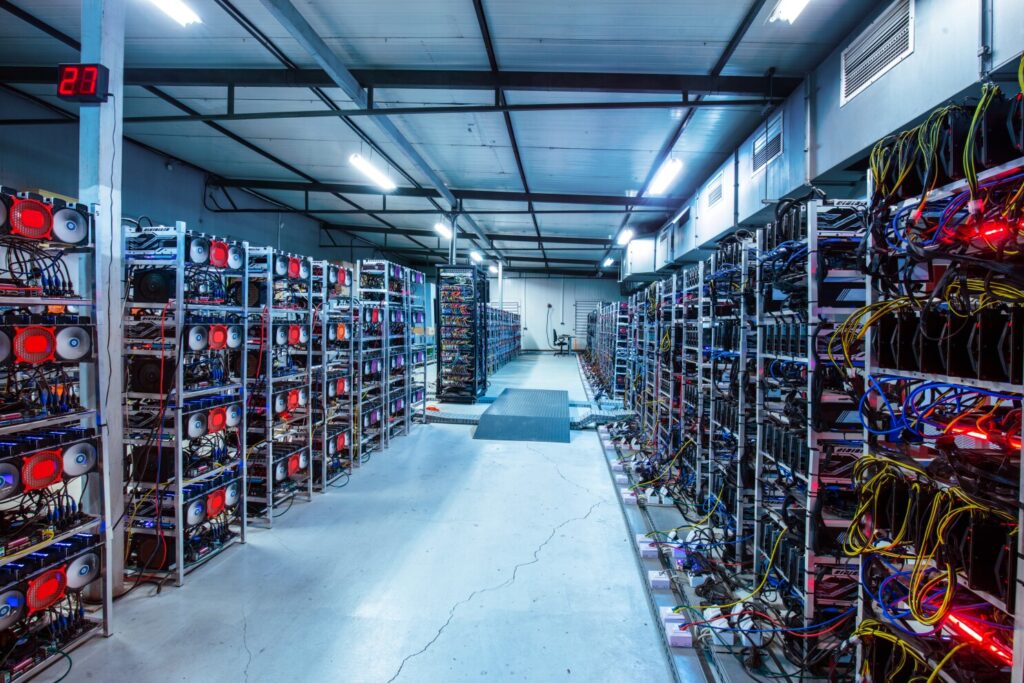
Cloud mining and mining pools are also changing the landscape. Instead of building expensive infrastructure, many investors are joining mining pools where resources are shared, and rewards are distributed proportionally. Cloud mining platforms allow individuals to rent hashing power, reducing the barriers to entry but often leading to lower returns.
Sustainability has become a major theme in crypto mining. With global attention on climate change, miners are exploring renewable energy sources like solar, wind, and hydropower to reduce carbon footprints. Green mining initiatives not only help profitability by cutting energy costs but also improve public perception of the industry.
Artificial Intelligence (AI) and automation are also playing a role in improving mining efficiency. AI-driven algorithms help optimize energy consumption, predict profitability, and manage mining farms more effectively. This technological integration ensures that mining remains competitive in 2025 and beyond.
So, is cryptocurrency mining still profitable in 2025? The answer depends on multiple factors: location, energy costs, hardware investment, and market conditions. For individuals, mining may no longer be the golden ticket it once was. However, for large-scale operations that leverage renewable energy and advanced technology, mining remains a profitable venture in the evolving digital economy.